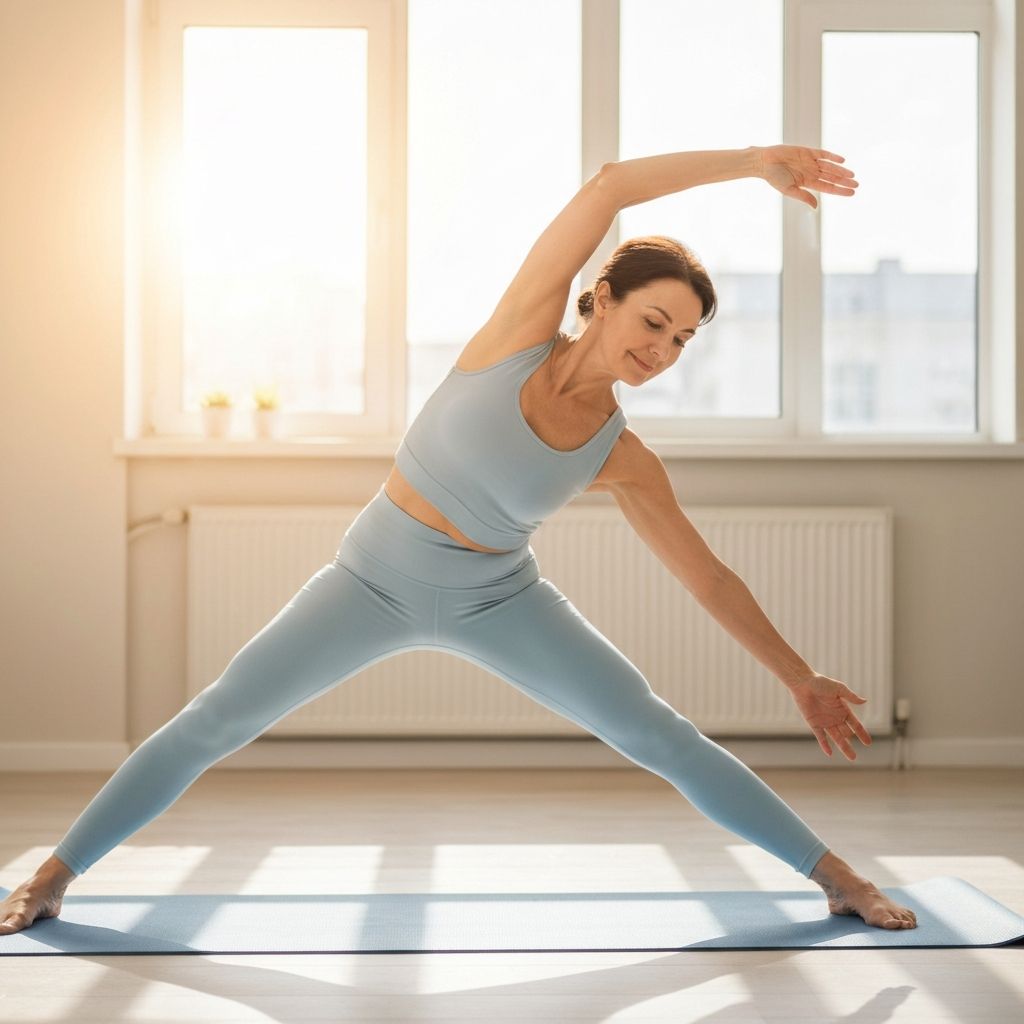
The Value of Daily Stretching
Daily stretching is a gentle practice that can help maintain flexibility and support comfortable movement throughout your day. Regular stretching routines may contribute to improved range of motion and help you feel more connected to your body.
Incorporating just 10-15 minutes of mindful stretching into your morning or evening routine can become a valuable part of your self-care practice. Focus on slow, controlled movements and listen to your body's signals.
Explore related knowledge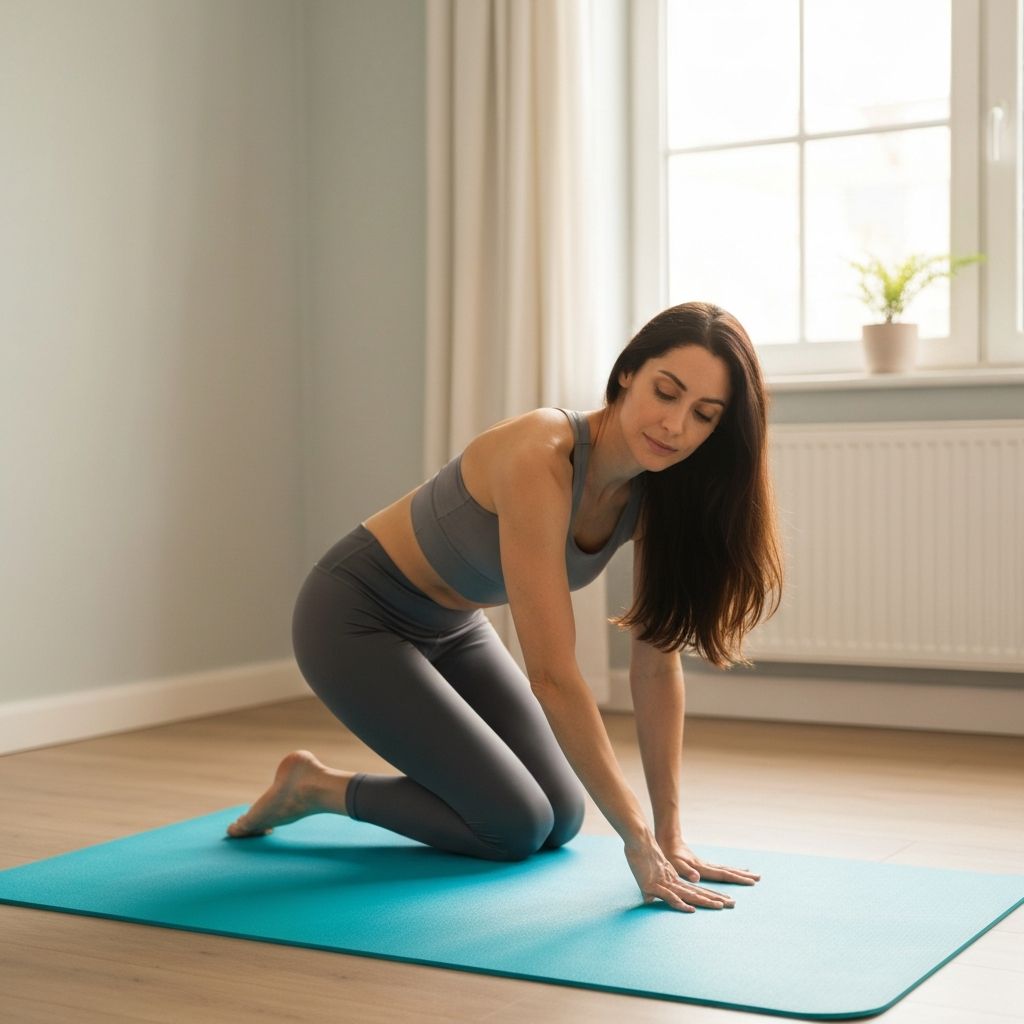
Mobility as Part of Daily Life
Mobility is about maintaining your body's natural ability to move through a full range of motion. Simple mobility exercises can be integrated into your everyday activities, from your morning routine to breaks during work.
Consider gentle hip circles, shoulder rolls, and ankle rotations as ways to keep your joints moving comfortably. These simple practices can be done anywhere and take just a few minutes.
A Gentle Start to Your Active Day
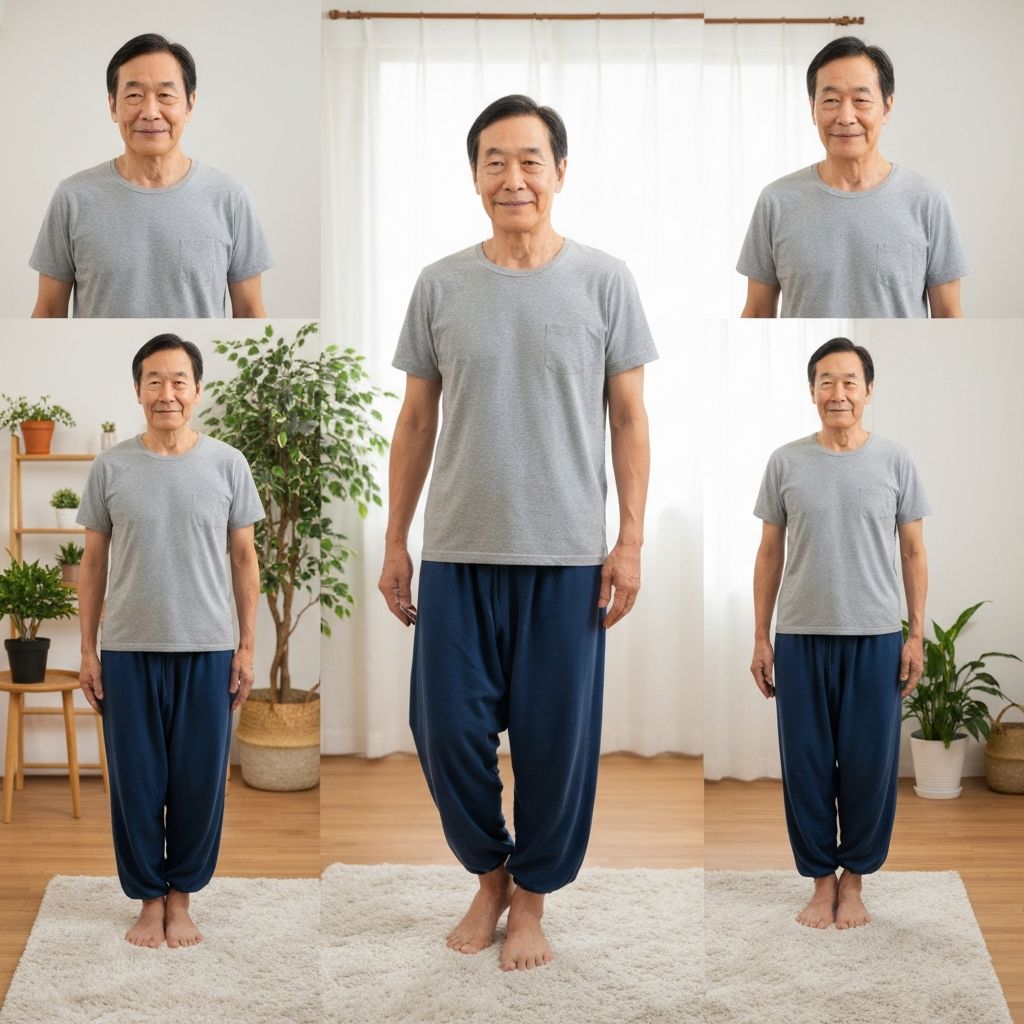
Beginning your day with light movement can help you feel more awake and ready to engage with daily activities. A gentle morning routine might include stretching, breathing exercises, and simple body awareness practices.
There's no need for intense exertion. The goal is to wake up your body gradually, increase circulation, and set a positive tone for the hours ahead.
Follow the explanation step-by-step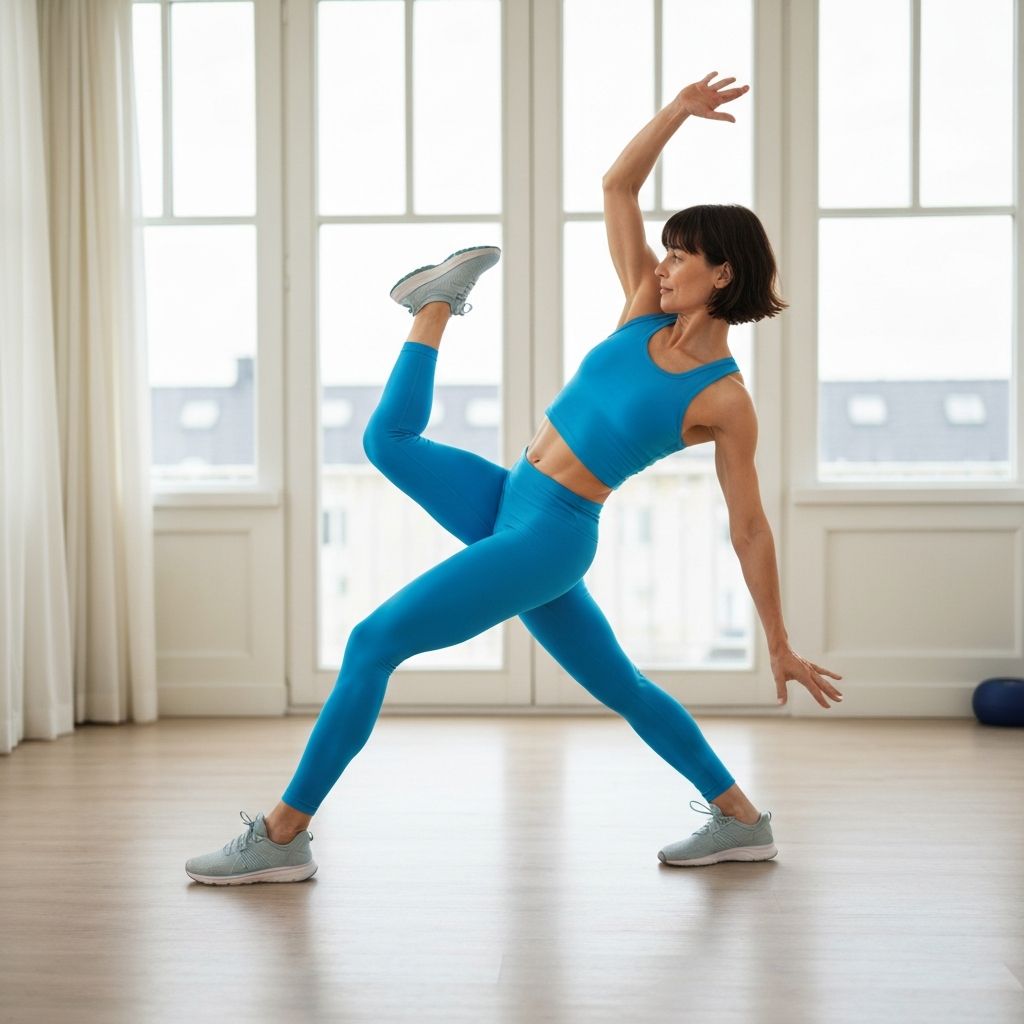
Movement and Mindful Nutrition
The connection between movement and nutrition is an important aspect of an active lifestyle. What you eat can influence your energy levels, and regular movement can support healthy digestion and overall wellbeing.
Consider how balanced meals with adequate hydration support your daily activities. Eating mindfully and moving regularly work together as complementary habits.

The Role of Regularity in Physical Habits
Consistency is a key element when developing any new habit, including movement practices. Regular, moderate activity is often more sustainable than sporadic intense sessions.
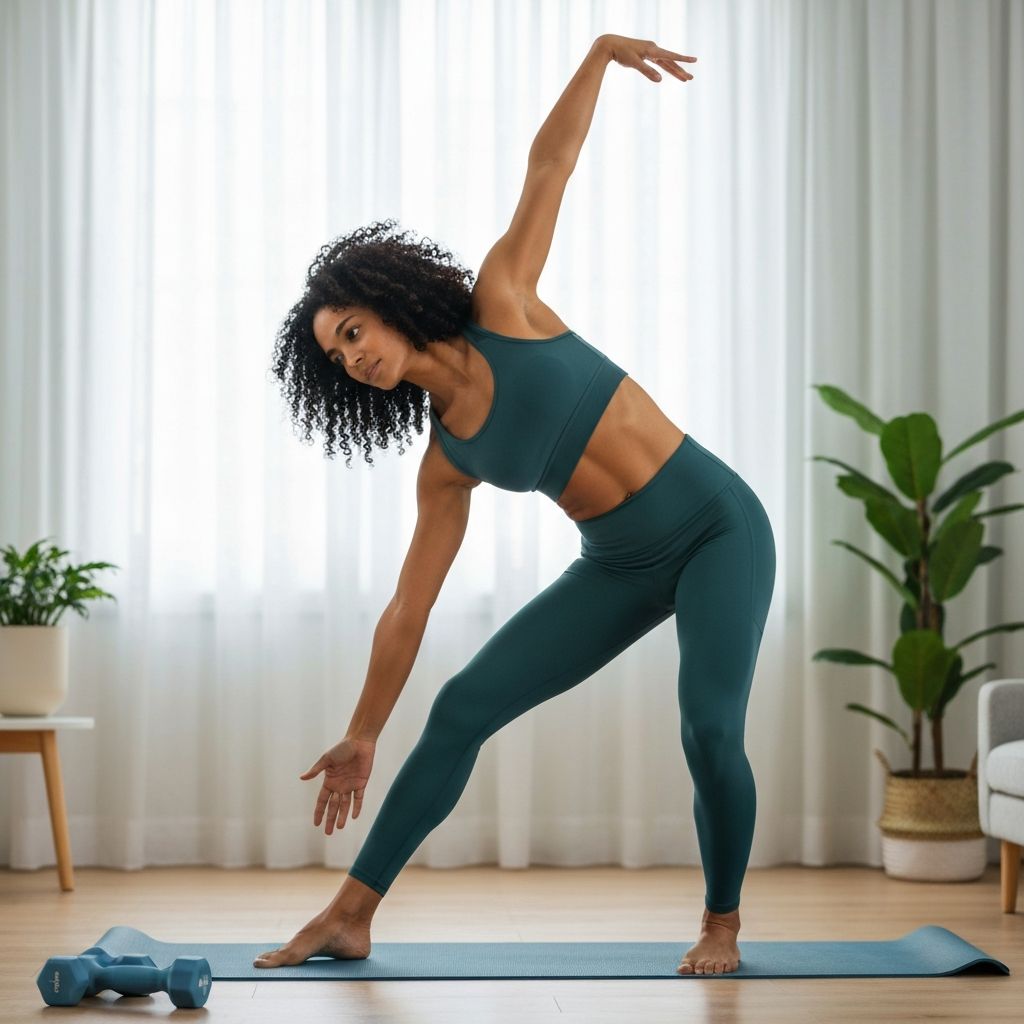
Building a Routine
Start small and build gradually. Even 5 minutes of daily stretching is more valuable than occasional longer sessions. Choose a time that works for you and try to maintain it consistently.
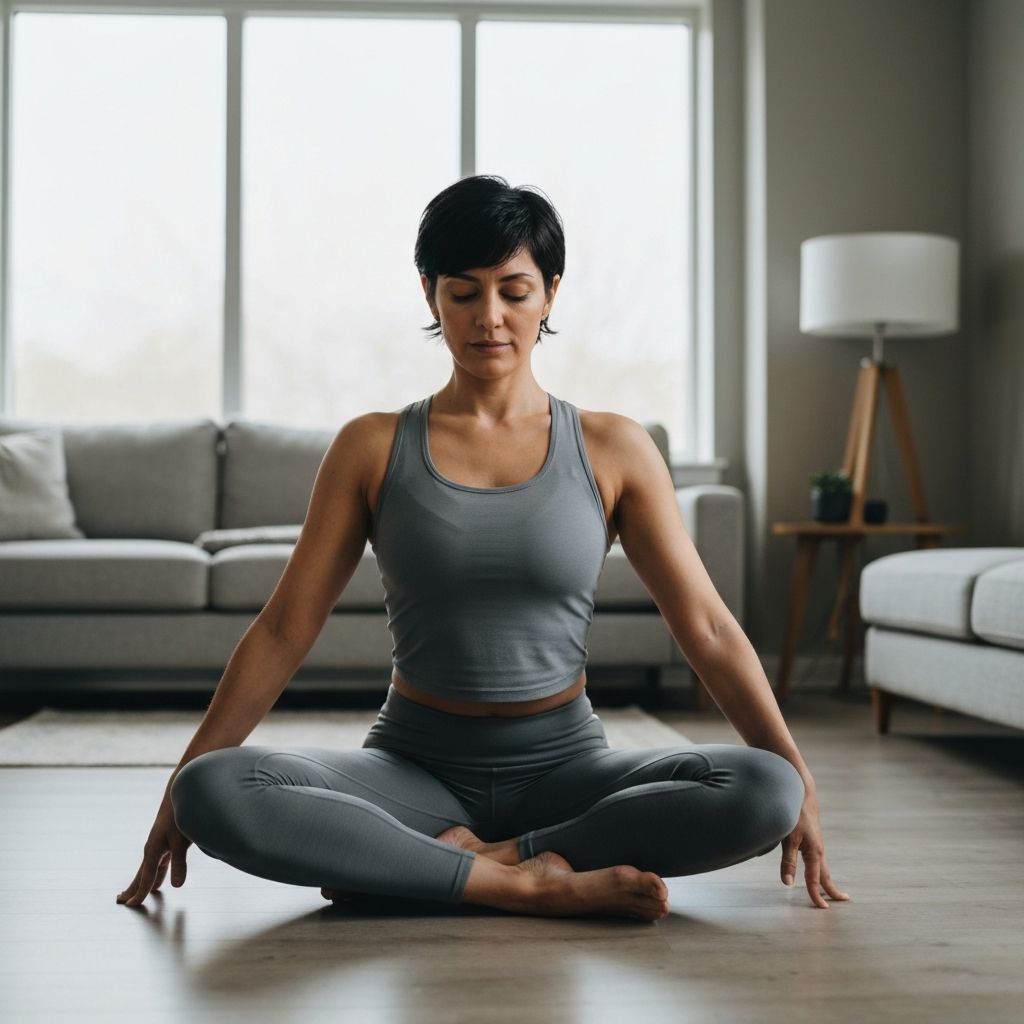
Sustainable Practice
Listen to your body and adjust as needed. Some days you may feel energetic, other days more subdued. Your practice can adapt to these natural variations.
Breathing During Exercise
Proper breathing is an often overlooked aspect of movement. Coordinating your breath with your movements can help you stay present and avoid unnecessary tension.
Generally, exhale during exertion and inhale during release. Focus on deep, steady breaths rather than holding your breath, which can create unnecessary strain.
Unpack the concept further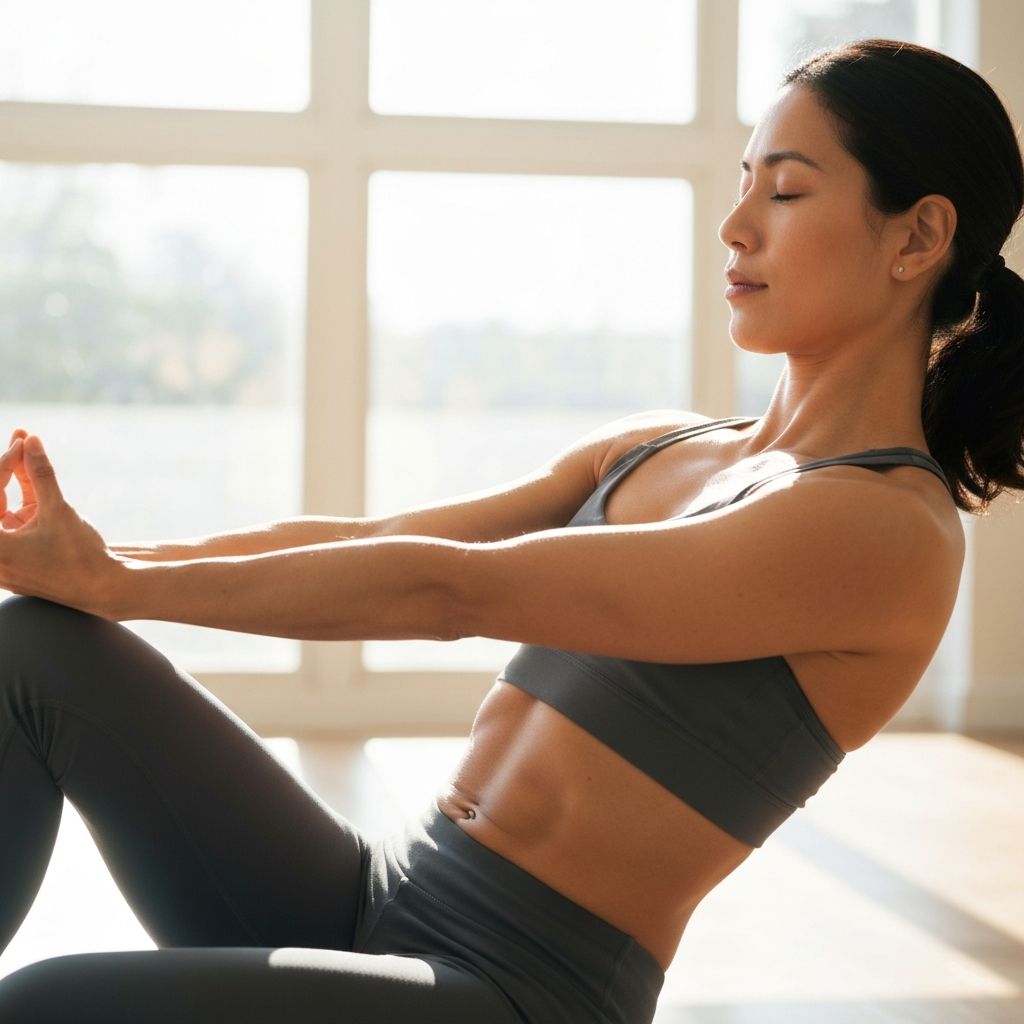
Posture Control in Daily Life
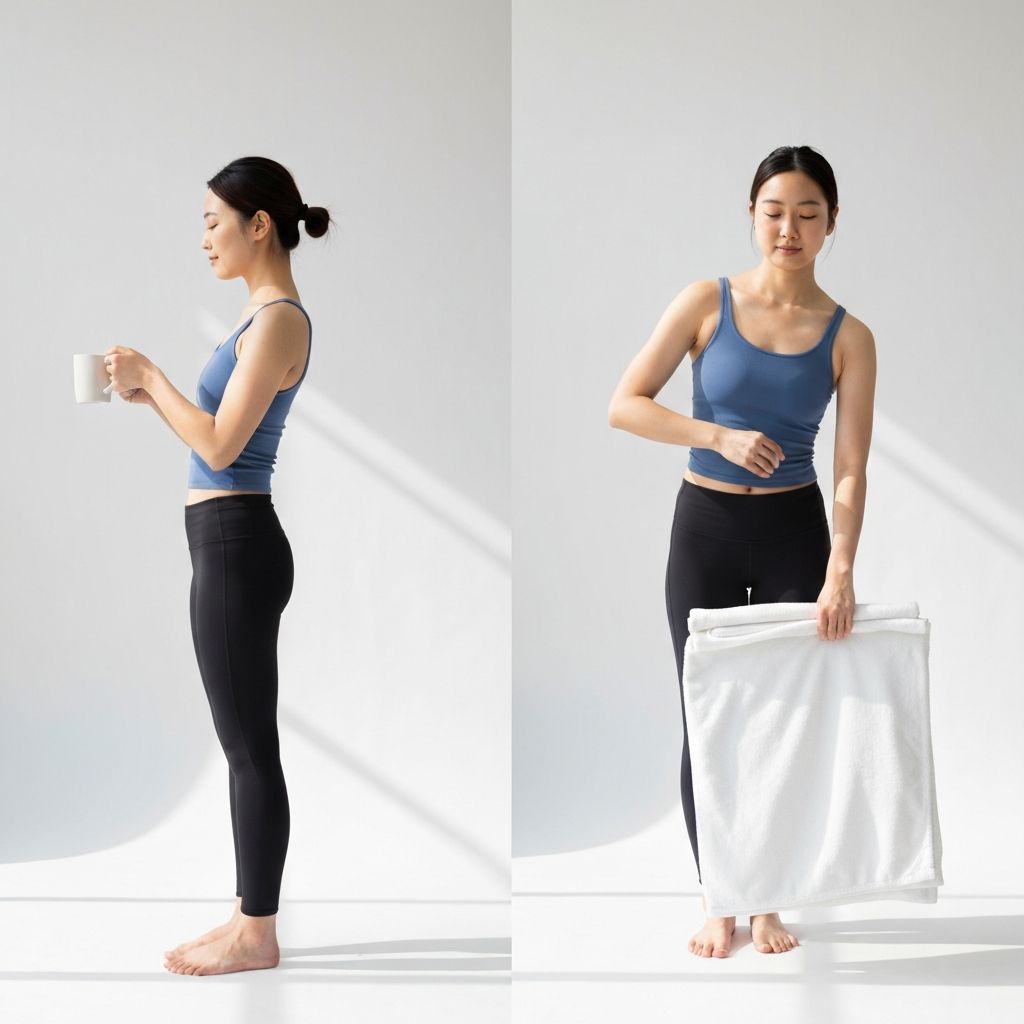
Posture awareness extends beyond formal exercise into every aspect of daily life. How you sit, stand, and move throughout the day affects your overall comfort and body mechanics.
Simple adjustments like sitting with both feet flat, keeping your shoulders relaxed, and taking regular movement breaks can contribute to better postural habits over time.
Basic Exercises for Body Stability
Body stability exercises focus on maintaining balance and control during movement. These foundational practices can support everyday activities and help you move with greater confidence.
Simple stability work might include single-leg balance, controlled squats, or plank variations. Start with easier modifications and progress at your own pace.
See examples in context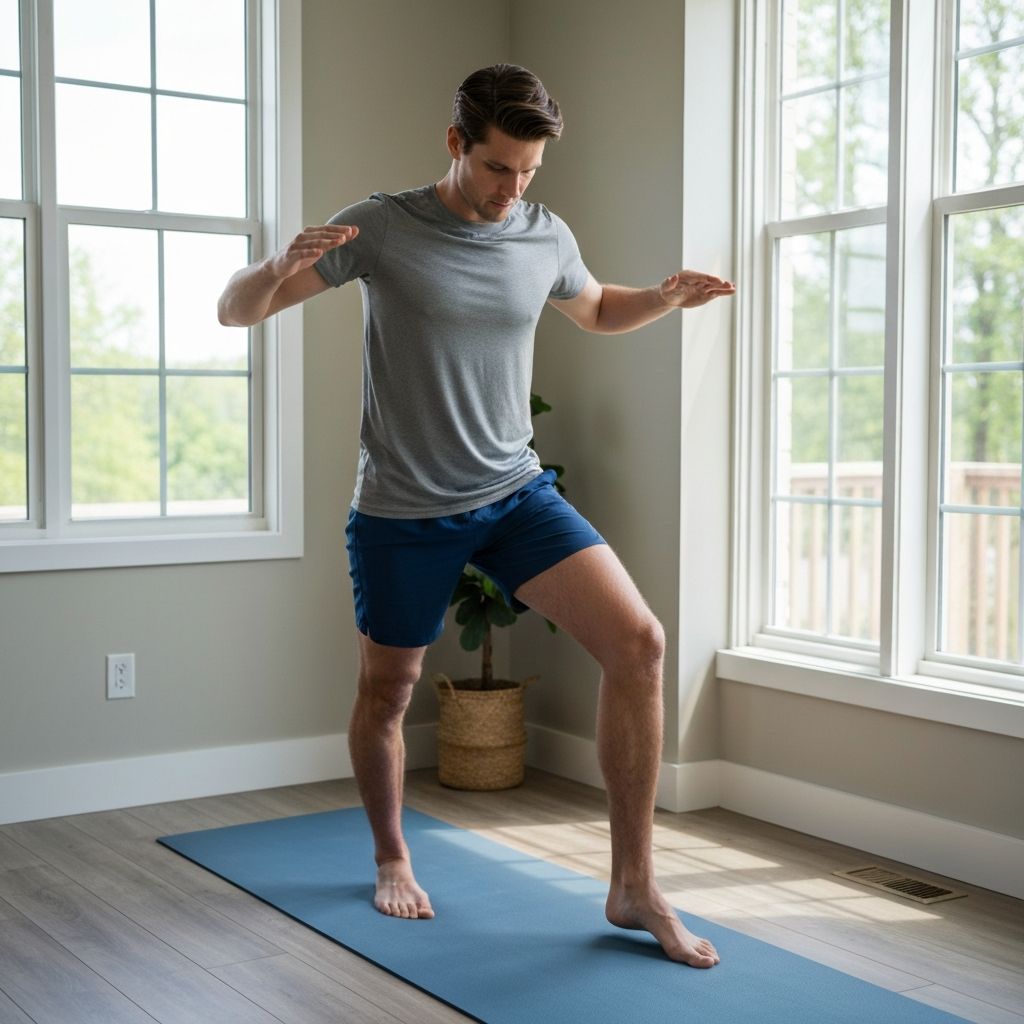
Consultant Recommendations for Home Practice
Movement consultants can provide valuable guidance on developing a safe and effective home practice. Their recommendations typically focus on proper form, appropriate progression, and sustainable habits.
Educational resources, video demonstrations, and written guidance can help you understand the principles behind various exercises and apply them to your personal practice.
Common Stretching Mistakes
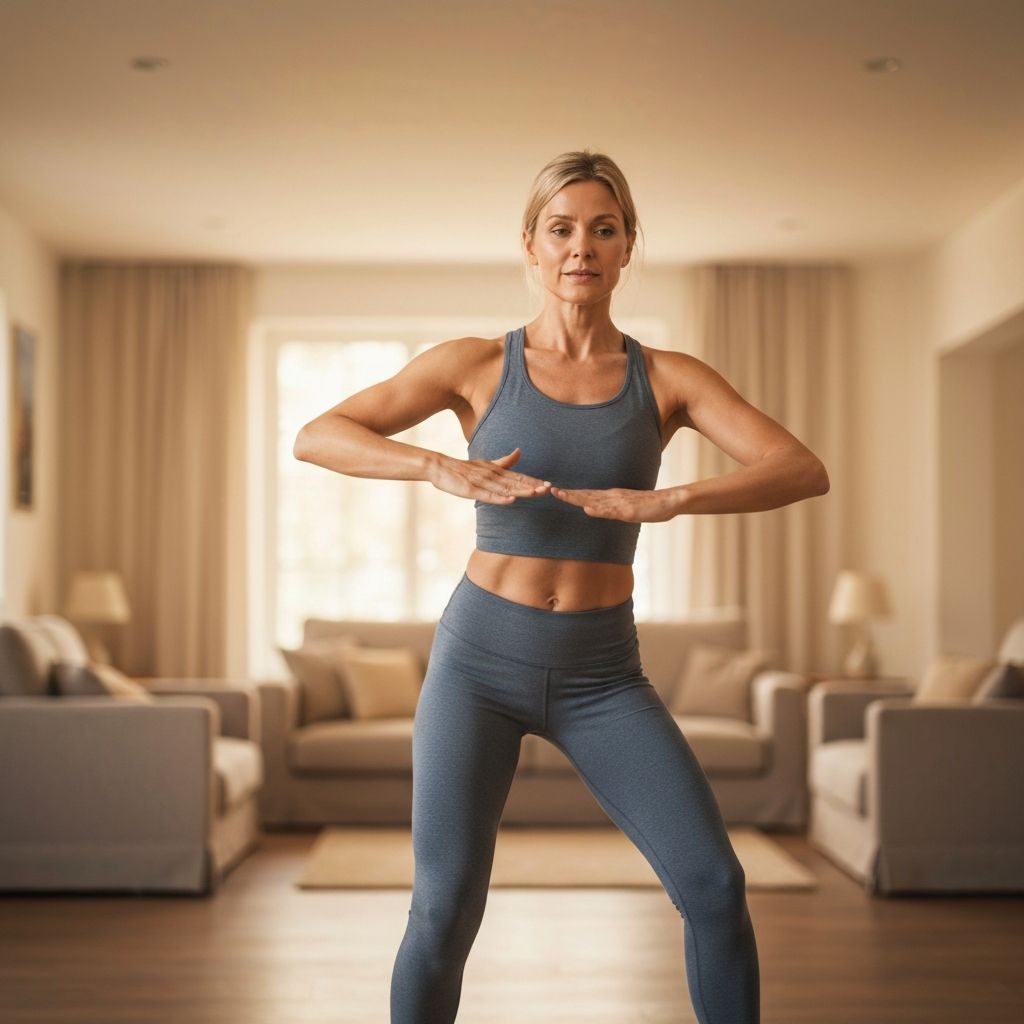
Understanding common mistakes can help you develop a safer stretching practice. Bouncing during stretches, pushing too hard too fast, or holding your breath are typical issues that can be easily addressed.
Focus on gentle, sustained stretches with steady breathing. If you feel pain rather than mild tension, ease back. Your flexibility will develop naturally over time with consistent, gentle practice.
Activity Without Overload
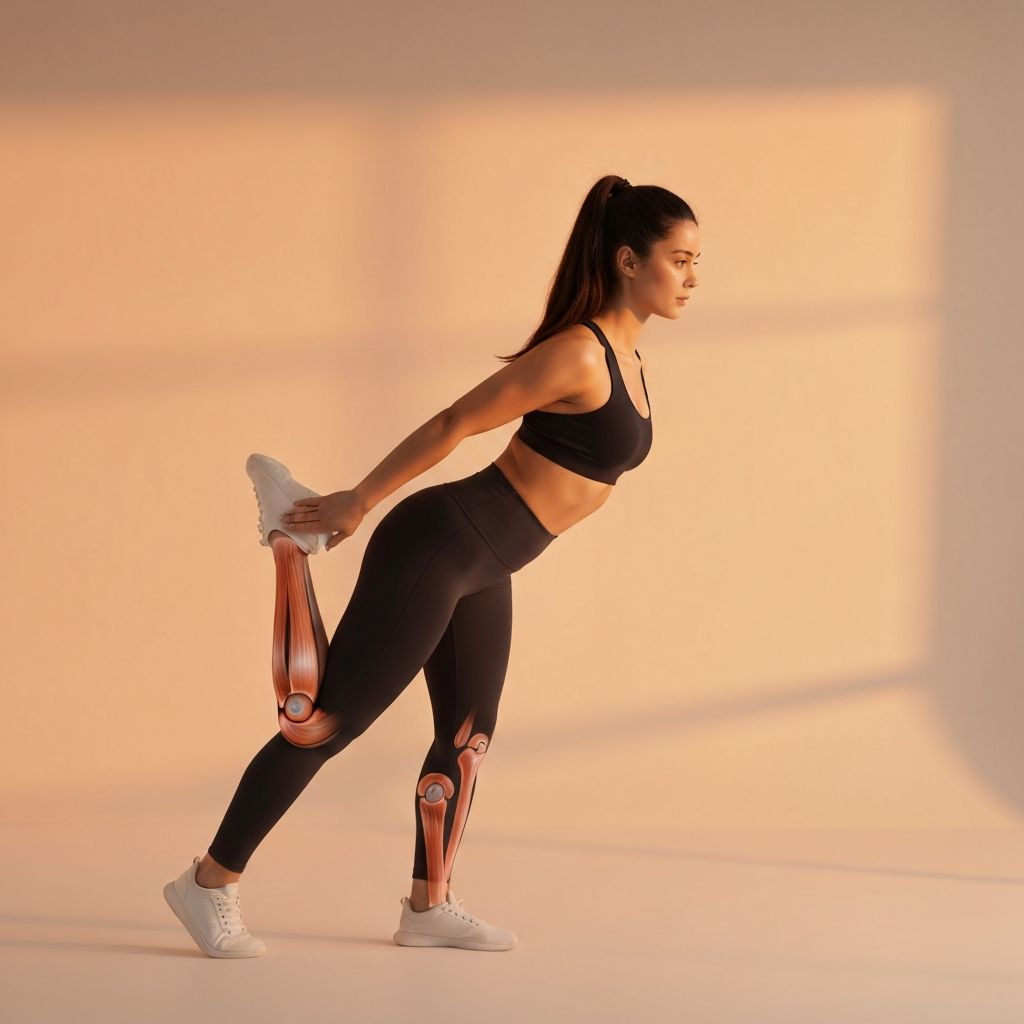
Staying active doesn't require pushing yourself to exhaustion. Moderate, enjoyable movement that fits into your lifestyle is more sustainable than intense, demanding routines.
Finding Your Pace
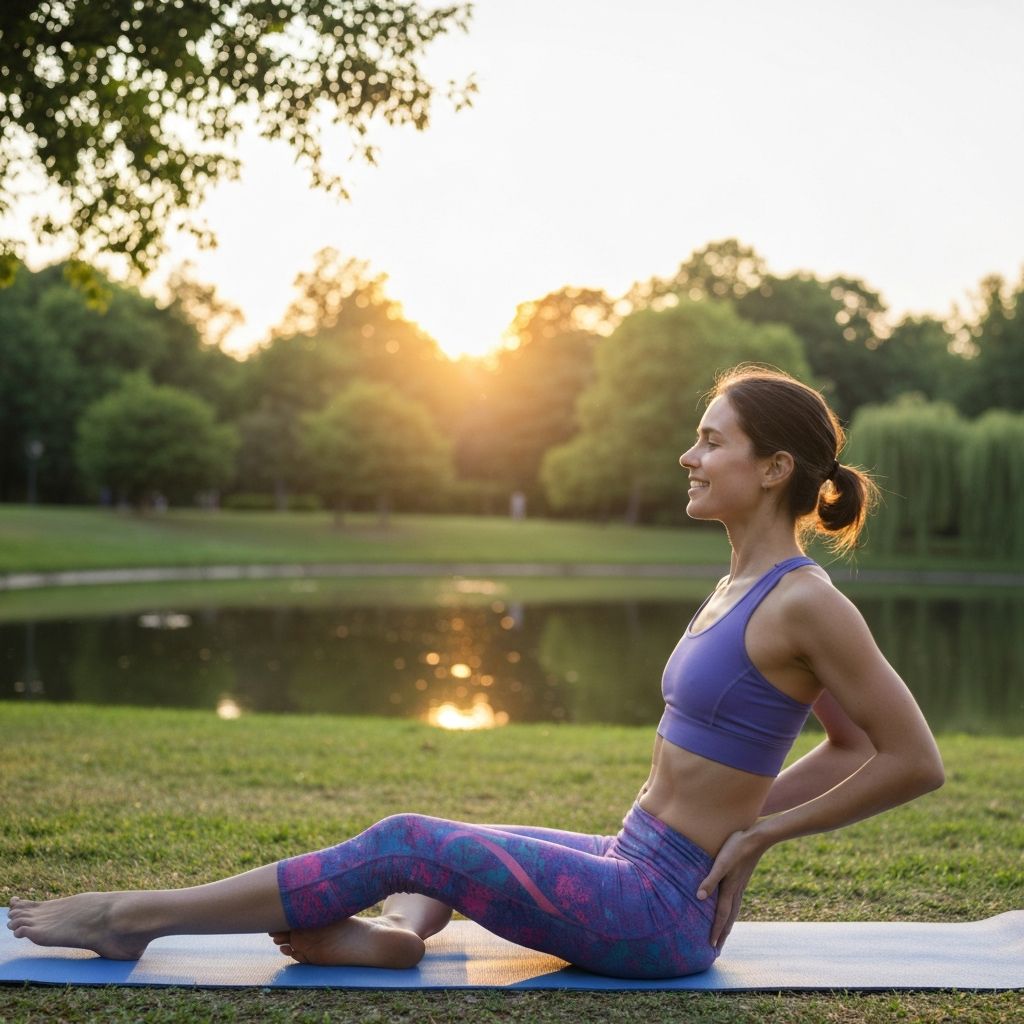
Your ideal activity level is personal and may vary from day to day. Pay attention to how you feel during and after movement, and adjust accordingly.
Rest and Recovery
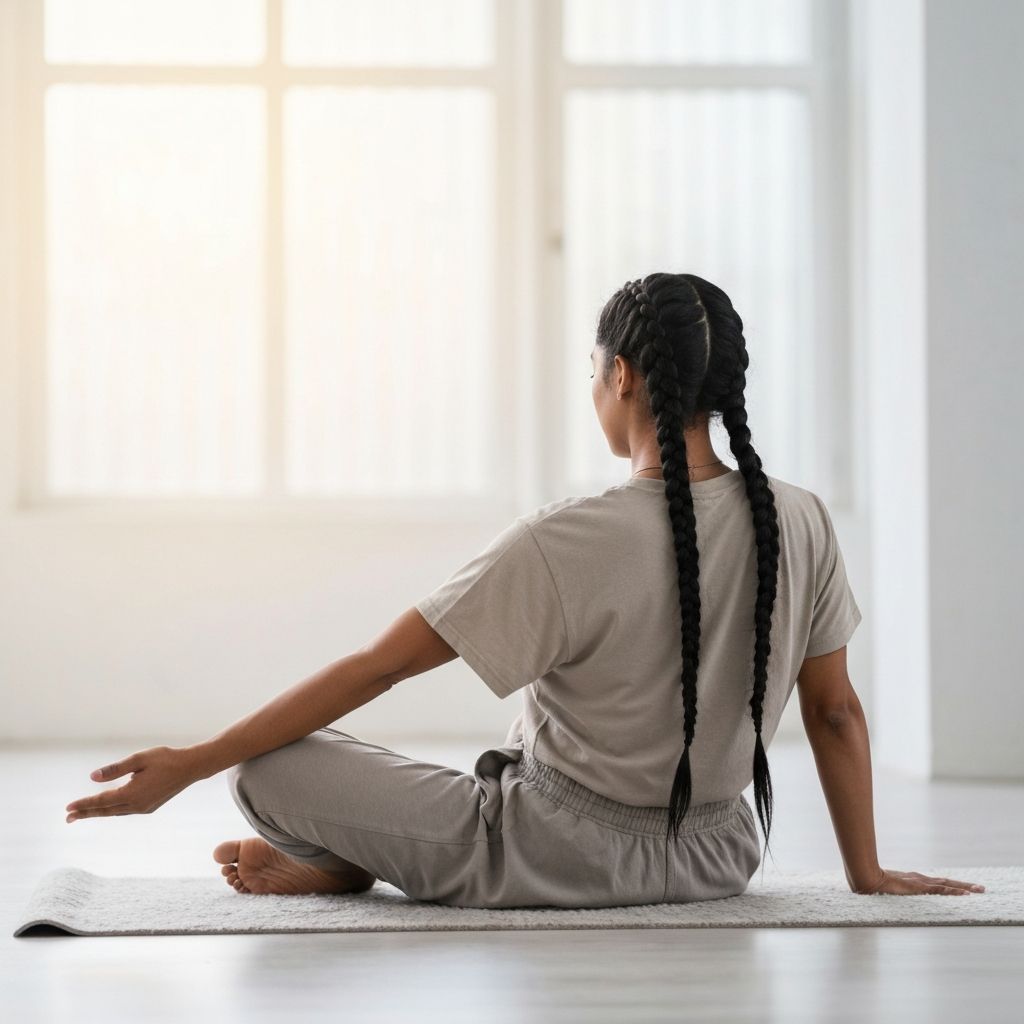
Rest is an essential part of any movement practice. Allow your body time to recover and adapt. Balance active days with gentler activities or complete rest.
Movement as an Element of Daily Balance
Physical activity is just one component of a balanced lifestyle. It works alongside sleep, nutrition, social connection, and mental wellbeing to support overall quality of life.
Rather than viewing movement as a separate task, consider how it naturally integrates with other aspects of your day. Walking meetings, stretching while watching TV, or active hobbies all count.
Educational Resources on Movement
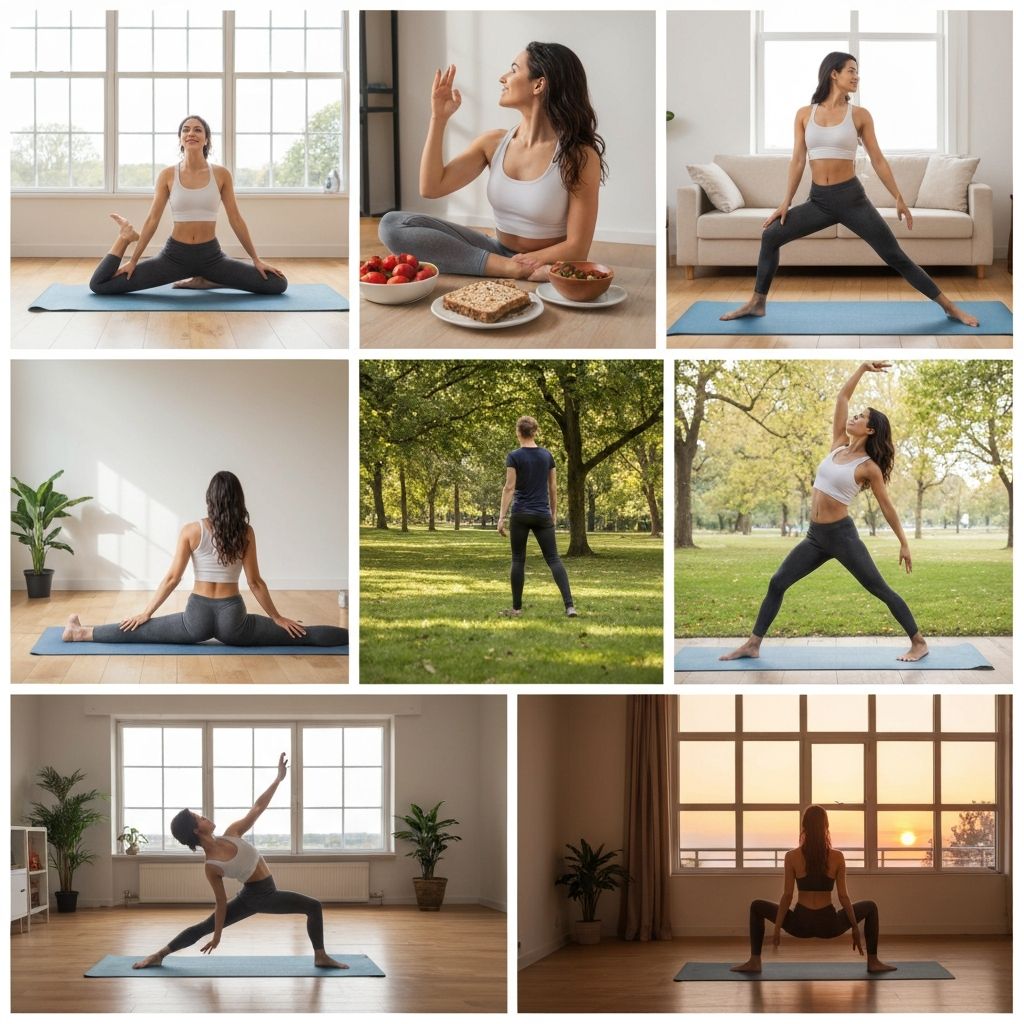
Access to quality educational content can help you develop a deeper understanding of movement principles, flexibility training, and body mechanics.
Written guides, illustrated instructions, and informative articles provide valuable reference material as you develop your personal practice.
Expand your understanding
Video Explanations of Exercises
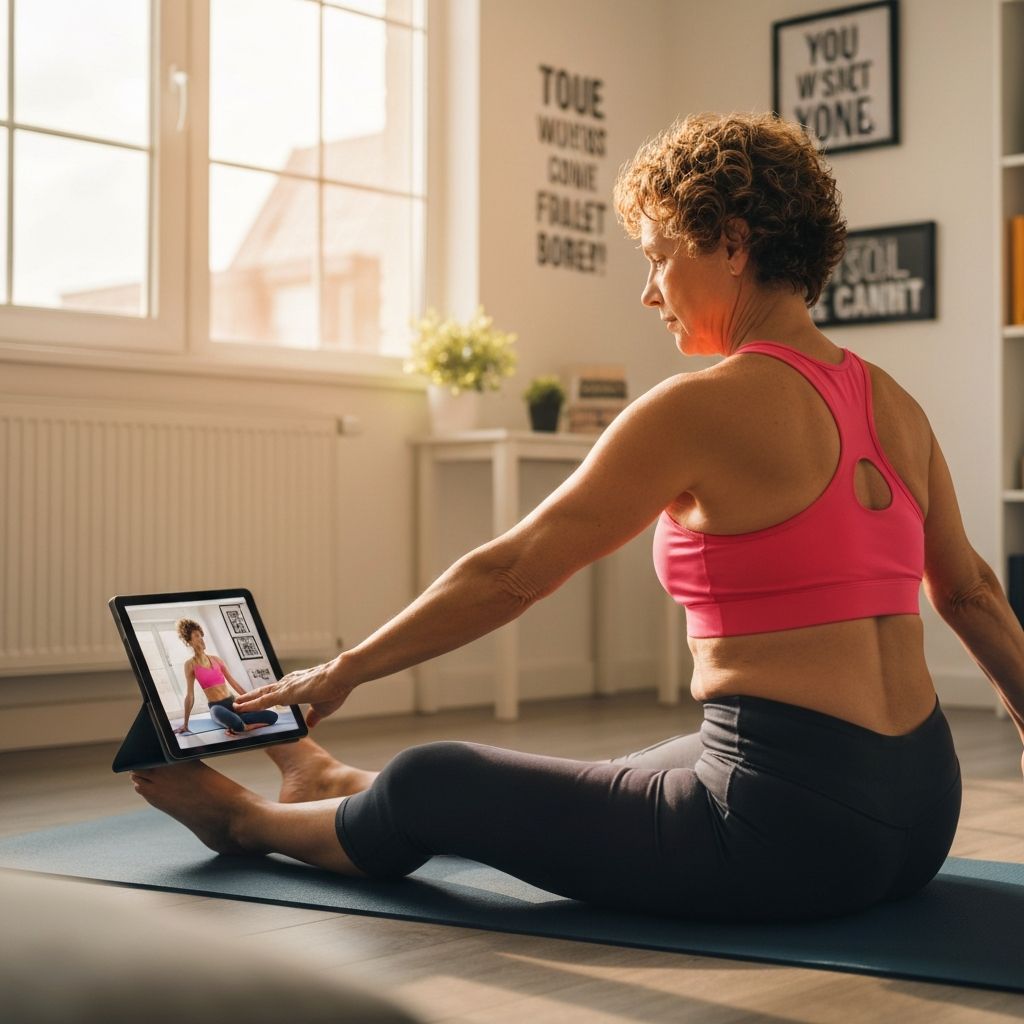
Visual demonstrations can be helpful for understanding proper form and technique. Video content allows you to see movements from multiple angles and follow along at your own pace.
Educational video content typically focuses on clear instruction, proper alignment, and common modifications for different experience levels.
What People Are Saying
Feedback from individuals who have incorporated these practices into their daily routines.
"I've made daily stretching part of my morning routine for the past three months. It's become something I genuinely look forward to."
"The educational content helped me understand why certain movements matter. I feel more connected to my body now."
"I appreciate the gentle, non-demanding approach. It's sustainable and fits naturally into my busy lifestyle."
Frequently Asked Questions
How long should I stretch each day?
Most people find that 10-15 minutes of daily stretching is manageable and beneficial. However, even 5 minutes is valuable if that's what fits your schedule. Consistency matters more than duration.
Is morning or evening stretching better?
Both times have merit. Morning stretching can help you feel more awake and mobile for the day ahead, while evening stretching may support relaxation. Choose what works best for your routine.
Do I need special equipment?
Most basic stretching and mobility exercises require no equipment at all. A comfortable mat or carpet is helpful but not essential. As you develop your practice, you might choose to add simple props like resistance bands or blocks.
How quickly will I see changes?
Individual responses vary considerably. Some people notice feeling more mobile within a few weeks, while others take longer. Focus on the practice itself rather than specific outcomes.
What if I have limited mobility?
Start where you are. Most exercises have modifications for different ability levels. Work within your comfortable range and progress gradually.
Ready to Explore Further?
Learn more about our educational approach to movement, flexibility, and active living.
Learn About Our Approach Get in Touch